
Next Steps After Taking a High School Metals Class
Written by SayStudent-admin // 2024/05/07 // Student Living // Comments Off on Next Steps After Taking a High School Metals Class
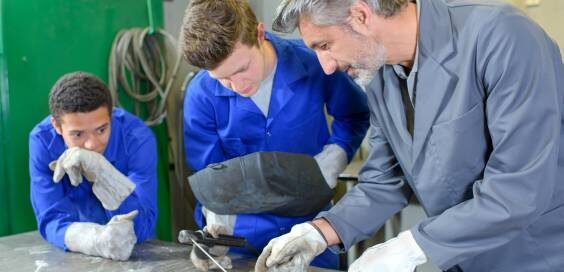
The demand for skilled tradespeople is skyrocketing. Industries across the board are on the lookout for talented individuals who bring practical skills and innovation to the table. This shift toward valuing hands-on skill sets opens exciting opportunities for anyone considering a career in the metalworking industry. Let’s explore the next steps after taking a high school metals class so that you can apply these skills to a lucrative, stable career.
The High School Metals Class Experience
Taking a metals class in high school is the first step in uncovering a passion for crafting, welding, and designing with metal. This experience provides a foundation in metalwork techniques and sparks an interest in exploring this field further. It’s a unique combination of art and science that many find themselves drawn to pursue beyond the classroom.
Career Paths in the Metalworking Industry
After the final bell rings and the metal shop door closes, what comes next? The metalworking industry offers a wide array of career paths, from welding and fabrication to machining and beyond. Each path presents its own set of challenges and rewards and invites newly graduated students to carve out a career that suits their interests and skills.
Vocational School vs. Traditional College
Deciding between vocational school and traditional college is a significant step for anyone interested in metalworking. Vocational schools offer focused, hands-on training in specific trades, often leading directly to job opportunities.
Traditional colleges, on the other hand, provide a broader educational experience that is still beneficial for careers in metalworking. This includes roles that require a deeper understanding of more technical engineering principles.
Apprenticeships and Training Opportunities
Apprenticeships and other on-the-job training programs are invaluable for gaining real-world experience while getting paid. These opportunities allow aspiring metalworkers to learn from seasoned professionals in the field and refine their skills on real-time projects. It’s a learning-by-doing approach that effectively bridges the gap between education and employment.
Higher Education in Metalworking
For those looking to deepen their knowledge and specialize further, pursuing higher education through degree and certification programs in metalworking is a promising avenue. These programs offer in-depth study and advanced training in various metalworking disciplines and prepare students for higher-level positions within the industry.
A Solid Foundation With Soft Skills and Continued Learning
Success in the metalworking industry isn’t just about mastering technical skills. Developing soft skills like communication, problem-solving, and adaptability is equally important. Additionally, don’t underestimate the benefits of investing in premium machinist tools. High-quality tools enhance precision, efficiency, and safety on the job, serving as a wise investment for any serious metalworker.
The next steps after a high school metals class graduates are full of possibilities. Whether through vocational training, apprenticeships, or higher education, there are numerous avenues to explore within the metalworking industry. By promoting continuous learning and emphasizing the value of quality tools and soft skills, we can empower the next generation of metalworkers to achieve success and drive the field forward.


 college budgeting worksheet
 If you want to contribute tutorials, news or other student-related tips or stuff:
  Share our student library with your facebook friends:
  Do you have any ideas or suggestions you would like to make?
  If you like what we do, please subscribe to our
  All content Copyright © 2012-13 SayStudent.com. Part of nBuy Education Network.