
The Pros and Cons of Credit Cards for College Students
Written by SayStudent Adminstration // 2013/07/17 // Student Credit Cards // Comments Off on The Pros and Cons of Credit Cards for College Students
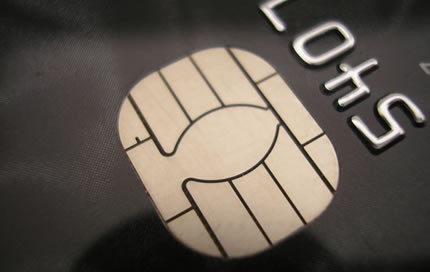
There was a time in the not-so-distant past when all you had to do to get offered a credit card was turn 18 and enroll in college. Halfway through my first semester in college, I had a Discover card with a $1,000 credit limit. Once I made a few payments on that card, other offers soon followed. It didn’t take long before I was a few thousand dollars in credit card debt at a time in my life where I was bringing home less than $150 per week. Thankfully, the laws that control how credit card companies market to college-age consumers have improved, but students still need to be wiser with credit than I was.
The Credit CARD Act of 2009
The Credit CARD Act of 2009 contained several provisions intended to curb predatory lending practices. Some of the biggest changes were intended to cut down on marketing to college students under 21 make it more difficult for them to obtain credit cards.
- Student applicants under 21 need to have co-signers or show evidence that they have enough income to repay their debt.
- The three major credit reporting agencies, Experian, Equifax and TransUnion cannot provide credit reports of consumers under 21 to credit card companies unless the consumer specifically asks them to, which means students theoretically should receive fewer prescreened credit card offers in the mail than they used to.
- Credit card applications sites on or near college campuses can no longer offer free sign-up incentives in order to entice students to apply.
How successful the Credit CARD Act of 2009 has been is a matter of debate, because banks have found creative ways to work around the law, such as considering loan money to be income. The law also doesn’t prohibit the schools themselves from sharing student mailing addresses and since many of them have marketing agreements with card issuers, they willingly provide that information. Students are still getting credit cards and many of them have the experience to manage their debt properly.
The Pros of Using Credit Cards
Obviously, credit cards exist for a reason. You need to build good credit in order to buy a car, have a place to life and an increasing number of employers run credit checks as part of the hiring process. Building good credit early in life is a tremendous asset. In fact, the length of your credit history accounts for approximately 15% of how your FICO (credit score) is calculated. It goes without saying, that the earlier you build a positive credit history, the faster your score will go up, which means you’ll get better interest rates and qualify for better offers when you do need to apply for a loan, a mortgage, or anything else based on your credit.
The Cons of Using Credit Cards
According to research done by debtconsolidation.com, the typical credit card purchase is 112% higher than using cash or a debit card. You do pay the credit card company for the privilege of borrowing their money. Another problem is that credit cards can lead to impulse spending that you need to avoid. It is very easy to fall pretty to the “buy it now and pay later” mentality that gets many credit card users in debt over their heads. If you only make minimum payments every month on your credit cards, it will take you years to pay them off, not to mention the fact that al the interest that you’ll pay to credit card companies is like throwing money out the window. The bills will likely outlast the items you buy.
Smart Credit Card Use
If you feel that you’re ready to start building your credit history, then do it sensibly. As I mentioned earlier, there are many good reasons to establish a good credit history, but you have to prove that you are responsible with money and make smart shopping decisions in order to make that happen. Make these your rules for using credit cards wisely.
- Charge only as much as you can pay off during the monthly grace period so that you don’t pay interest.
- Shop around for cards with low annual fees and the lowest possible interest rates.
- Don’t take out cash advances on your credit card, credit card companies always charge a higher interest rate for cash advances than they do if you make purchases using the card.
- Keep a low balance to available credit ratio, running up your balances will put you into debt and it will harm your credit score.
- If at some point you decide to transfer balances from a high-interest credit card to a lower interest credit card, make you compare apples to apples and be sure you’re getting a better deal.
One of the most important things to remember about being a smart credit card user is to differentiate between things you want and things you need. While you’re going to school, you may not have enough income to buy all the things you want. Stick to using credit cards for things that you need and try not to run up balances any longer than you have to.
On a final note, credit cards are not the best way to help pay your way through college. If you’re having trouble juggling your school costs and your living expenses, then excessively using your credit cards is only going to put you even further in debt after you graduate. Explore other options such as increasing the amounts of student loans you accept, or applying for more grants and scholarships so that you can use more of your student loan disbursement for living expenses. You should stick to using credit cards as a way to build your credit score, and not use them as a way to supplement your income.
About the Author: Tony Standin is a personal finance writer with a passion for helping others. He loves seeing students graduate debt free, starting their adult work lives with a clean financial slate.


 college budgeting worksheet
 If you want to contribute tutorials, news or other student-related tips or stuff:
  Share our student library with your facebook friends:
  Do you have any ideas or suggestions you would like to make?
  If you like what we do, please subscribe to our
  All content Copyright © 2012-13 SayStudent.com. Part of nBuy Education Network.