
Careers for Students Who Enjoy Fixing and Building Things
Written by publishingreporting@logicalposition.com // 2026/10/09 // Career Planning // Comments Off on Careers for Students Who Enjoy Fixing and Building Things
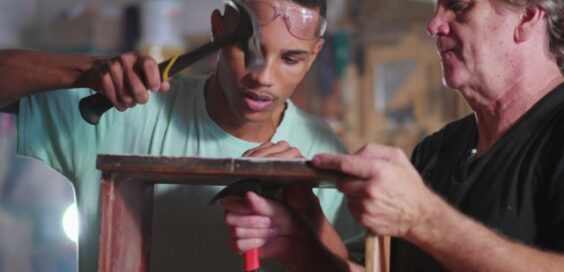
Not every student wants a career that involves spending most of the day behind a desk. Some people learn best by taking things apart, figuring out why they stopped working, and putting them back together. Others enjoy building something tangible and seeing the results of their effort at the end of the day.
Fortunately, careers for students who enjoy fixing and building things extend well beyond traditional construction jobs. Students can explore occupations involving machinery, electrical systems, vehicles, security equipment, computers, buildings, and advanced manufacturing. Many of these paths also offer alternatives to a conventional four-year degree. Choosing among them starts with understanding what type of hands-on problem-solving feels most rewarding.
Skilled Trades Offer Practical Career Paths
The skilled trades are among the most familiar hands-on careers, but the category is broader than many students realize. Electricians, plumbers, HVAC technicians, welders, carpenters, and other tradespeople combine technical knowledge with practical work.
These occupations require more than knowing how to use tools. A technician may need to read diagrams, diagnose a problem, understand safety requirements, calculate measurements, and determine the most efficient repair. As equipment becomes more sophisticated, technology also plays a growing role in many trades.
Students interested in these fields can investigate community colleges, technical schools, apprenticeships, and employer-based training programs. Requirements vary by occupation and state, so students should research licensing and training rules for the specific career they are considering.
Automotive and Diesel Technology
Students who naturally gravitate toward engines and mechanical systems may enjoy automotive or diesel technology. Modern technicians work with much more than traditional mechanical components; cars and trucks increasingly incorporate electronic controls, sensors, computerized diagnostic systems, and advanced safety features.
That combination makes the field suitable for students who enjoy both physical repairs and technical troubleshooting. Automotive technicians typically focus on passenger vehicles and light trucks, while diesel technicians may work on commercial trucks, buses, construction machinery, agricultural equipment, or other heavy-duty systems.
Technical education programs provide structured training before students enter the workforce. Certifications and manufacturer-specific training may also become valuable as technicians develop their careers.
Locksmithing and Security Work
Locksmithing is another career that rewards patience, mechanical reasoning, and careful tool use. Locksmiths may install and repair locks, replace or duplicate keys, troubleshoot locking systems, and help authorized customers regain access to property. The occupation can also introduce students to electronic access control as security systems become more technologically advanced.
Organization matters in this type of work because technicians may need different equipment for different jobs. Understanding how professionals assemble and maintain a lockout kit offers an example of how specialized tools, preparation, and efficient organization support locksmithing work.
Anyone exploring locksmithing should also pay attention to local laws. Licensing, registration, background checks, and other requirements differ across jurisdictions.
Electrical and Electronics Technology
Students who enjoy troubleshooting circuits and electronic equipment can consider careers in electrical and electronics technology. Electricians commonly install, maintain, and repair wiring and electrical systems in homes, commercial buildings, and industrial environments. Electronics technicians may work with control systems, communications equipment, manufacturing machinery, or specialized electronic devices.
These jobs suit students who like solving problems systematically. When equipment fails, the cause is not always immediately visible. Technicians often have to test components, interpret diagrams, take measurements, and eliminate possible causes until they identify the problem. Students can begin building relevant skills through electronics courses, robotics programs, technical education, and supervised training opportunities.
HVAC and Building Systems
Heating, ventilation, air-conditioning, and refrigeration technicians work on systems that directly affect the comfort and operation of homes and businesses. HVAC work combines mechanical, electrical, and diagnostic skills. Depending on the job, technicians may inspect equipment, find leaks, replace components, test electrical controls, or perform preventive maintenance.
Students who enjoy varied environments may find this career appealing because technicians often travel between jobsites rather than working in one location every day. Training commonly comes through technical programs or apprenticeships. Certain tasks involving refrigerants require specific certification, making it important for students to understand professional requirements before entering the field.
Advanced Manufacturing and Mechatronics
Manufacturing has changed significantly from the image of repetitive assembly line work. Modern facilities may rely on robotics, computerized machinery, programmable controls, sensors, and automated production systems. That development has created opportunities for people who can maintain and troubleshoot sophisticated equipment.
Mechatronics is particularly relevant for students who enjoy combining mechanical work with electronics and computing. Technicians may diagnose automated equipment, maintain robotic systems, replace components, or help keep production lines operating efficiently. This field can appeal to students who want hands-on careers while still working with advanced technology.
Engineering Technology
Students interested in engineering but especially drawn to practical applications may want to explore engineering technology. Engineering technicians and technologists often help turn designs into working systems. Depending on their specialization, they may test prototypes, operate technical equipment, collect measurements, troubleshoot systems, assist with product development, or support engineers.
Possible areas include mechanical, civil, electrical, manufacturing, and industrial technology. Education requirements vary; some roles are accessible with associate degrees or technical credentials, while others may call for bachelor’s degrees. Students should compare programs based on the specific occupation they hope to pursue rather than assuming every engineering-related career follows the same educational path.
Computer and Hardware Repair
Fixing things does not always mean working with engines, buildings, or machinery. Students who enjoy opening computers, replacing components, configuring devices, and diagnosing technical problems can consider hardware and information technology careers.
Computer support specialists and technicians may troubleshoot laptops, desktops, printers, networks, and other equipment. Some roles combine physical hardware repair with software troubleshooting and user support. Students can develop useful experience by taking computer courses, building PCs, participating in technology clubs, or pursuing entry-level industry certifications.
Construction and Carpentry
Construction remains a strong option for people who enjoy creating something tangible. Carpenters and other construction professionals turn plans and raw materials into homes, businesses, infrastructure, and finished spaces. The work demands accuracy, as measurements, building plans, materials, safety procedures, and building codes all influence the final result.
Students can explore construction through career and technical education programs, apprenticeships, community college courses, or supervised entry-level work. Over time, experience can lead to specialized roles, supervisory positions, or business ownership.
Build a Career Around Practical Skills
Careers for students who enjoy fixing and building things can lead in many directions. A mechanically-minded student might become an automotive technician, while another may prefer electrical work, locksmithing, HVAC, computer hardware, construction, or automated manufacturing.
The common thread is practical problem-solving. People in these fields identify problems, understand how systems work, choose appropriate tools, and create or restore something functional. For students who would rather learn by doing than spend every working hour at a desk, exploring hands-on careers can reveal educational and professional paths that match the way they naturally approach problems.
Image Credentials: By Marco, 639383122


 college budgeting worksheet
 If you want to contribute tutorials, news or other student-related tips or stuff:
  Share our student library with your facebook friends:
  Do you have any ideas or suggestions you would like to make?
  If you like what we do, please subscribe to our
  All content Copyright © 2012-13 SayStudent.com. Part of nBuy Education Network.