
What To Know About Being Accessible to Mobility Aids
Written by publishingreporting@logicalposition.com // 2026/10/29 // Student Living // Comments Off on What To Know About Being Accessible to Mobility Aids
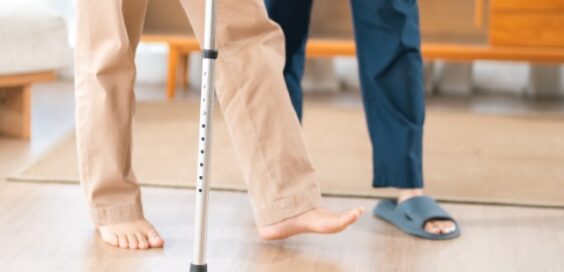
Accessibility plays an important role in making public spaces, businesses, and events welcoming to everyone. People who use wheelchairs, walkers, canes, or other mobility aids need environments that support their independence and allow them to move comfortably. However, creating accessible spaces involves more than simply installing a ramp or widening a doorway. Thoughtful planning helps remove obstacles that might otherwise prevent people from participating in everyday activities. Whether you manage a business, organize events, or maintain a public facility, understanding mobility accessibility can help you create a safer and more inclusive environment. Here are some important considerations when accommodating people who use mobility aids.
Understand the Different Types of Mobility Aids
Not everyone who uses a mobility aid has the same accessibility needs. Some individuals rely on wheelchairs full time, while others use walkers or canes for additional stability. Understanding these differences can help you make more informed decisions about your space.
Common mobility aids include:
- Manual wheelchairs: Users propel these chairs themselves or receive assistance from another person.
- Power wheelchairs: These motorized devices help individuals travel without manually pushing their wheels.
- Mobility scooters: These devices provide comfortable transportation for people who have difficulty walking longer distances.
- Walkers and rollators: These aids offer stability, with rollators typically featuring wheels and seating.
- Canes and crutches: These devices provide additional balance or reduce pressure on certain body parts.
Each device requires different amounts of maneuvering space. Consider these variations when evaluating accessibility throughout your property.
Make Entrances Easy To Navigate
Your entrance creates the first accessibility challenge visitors encounter. Heavy doors, narrow openings, and elevated thresholds can make entering a building unnecessarily difficult.
Start by examining whether visitors can approach your entrance without encountering stairs or steep inclines. Install an accessible ramp where necessary, and ensure its slope meets applicable accessibility requirements.
Automatic doors can make entering easier for wheelchair users and individuals who rely on walkers. If automatic doors aren’t practical, consider installing power-assisted door openers.
Pay attention to thresholds as well. Even relatively small changes in elevation can create problems for certain mobility devices.
Provide Enough Space for Comfortable Movement
Once visitors enter your building, they need sufficient room to navigate comfortably. Narrow hallways and crowded furniture arrangements can create frustrating obstacles.
Consider how someone using a wheelchair might turn around or approach different areas. Leave adequate clearance around furniture and maintain accessible pathways throughout your space.
Avoid placing temporary displays or storage containers in designated routes. These objects can create accessibility problems even when your building’s original layout meets relevant standards.
Regularly evaluate your floor plan, especially when rearranging furniture or introducing new equipment.
Choose Flooring That Supports Mobility
Flooring materials can significantly affect how easily people navigate your property. Thick carpeting, loose rugs, and uneven surfaces can interfere with wheelchair movement or create tripping hazards.
Smooth, firm flooring generally offers better mobility support. However, surfaces should also provide enough traction to reduce slipping risks.
When selecting flooring materials, consider maintenance requirements. Damaged tiles and deteriorating flooring can become obstacles over time.
Keep pathways clear of electrical cords and other objects that might interfere with mobility devices. Consistent maintenance helps preserve accessibility long after installation.
Make Restrooms Accessible to Everyone
Restroom accessibility deserves particular attention because visitors need comfortable access to essential facilities.
Accessible restrooms should provide adequate maneuvering space, appropriately positioned grab bars, and fixtures that users can reach without unnecessary difficulty.
Consider the placement of sinks and soap dispensers. Individuals using wheelchairs should have reasonable access to these amenities. Door design also matters. Heavy doors and awkward layouts can make otherwise accessible restrooms difficult to use.
Remember that accessible restroom facilities should offer the same level of cleanliness and convenience as other restrooms throughout your property.
Consider Accessibility at Outdoor Events
Outdoor environments introduce additional accessibility challenges because organizers must account for changing terrain and temporary infrastructure.
Uneven grass, gravel pathways, and muddy surfaces can make navigating outdoor events particularly difficult for people using mobility aids.
Fortunately, outdoor venues can accommodate mobility aids through thoughtful preparation and appropriate equipment. Temporary accessible pathways can help visitors move between important areas without encountering unstable surfaces.
Event organizers should also consider seating arrangements and restroom locations. Accessible seating should provide clear views of activities while allowing visitors to remain near their companions.
Portable accessible restrooms can provide necessary accommodations when permanent facilities aren’t available. Place these units along stable routes and maintain convenient access throughout the event.
Create Accessible Parking and Drop-Off Areas
Accessible parking provides an important connection between transportation and your building.
Designated parking spaces should offer adequate room for individuals to enter and exit their vehicles safely. Some visitors may need additional clearance for wheelchair lifts or ramps.
Make sure accessible parking areas connect directly to appropriate pedestrian routes. Avoid forcing visitors to travel across uneven surfaces or navigate unnecessary obstacles.
Clearly mark designated spaces and prevent unauthorized vehicles from occupying them.
For larger facilities, consider providing accessible passenger drop-off locations near entrances. These areas can make arriving significantly easier for visitors who require assistance.
Pay Attention to Seating Arrangements
Accessible seating involves more than reserving a few spaces for wheelchairs.
Visitors should have opportunities to participate comfortably alongside friends or family members. Whenever possible, distribute accessible seating throughout your venue rather than concentrating every space in one location.
Consider whether tables offer sufficient knee clearance for wheelchair users. Adjustable-height tables can provide additional flexibility in certain environments.
People who use walkers may appreciate seating near accessible pathways, allowing them to sit without navigating crowded arrangements.
For events with extended seating periods, provide convenient access to restrooms and exits.
Train Staff To Provide Appropriate Assistance
Even thoughtfully designed facilities can create uncomfortable experiences when employees don’t understand accessibility needs.
Staff training should emphasize respectful communication and practical assistance.
Encourage employees to speak directly with individuals who use mobility aids rather than automatically addressing accompanying companions.
Employees should also understand that mobility devices serve as personal equipment. They shouldn’t move or handle someone’s wheelchair or walker without permission.
When someone appears to need assistance, staff members can politely ask whether they would like help instead of making assumptions.
Training employees to recognize accessibility barriers can also help your organization address problems before visitors encounter them.
Keep Emergency Procedures Accessible
Emergency preparedness should account for visitors who cannot use stairs or move quickly through crowded areas.
Review your evacuation procedures to identify potential barriers for people using mobility aids. Depending on your building’s design, you may need designated areas of refuge, accessible evacuation routes, or specialized evacuation equipment.
Train employees on appropriate emergency assistance procedures and establish clear communication methods.
Never assume that every individual with a mobility limitation requires identical assistance. Emergency planning should recognize different capabilities while prioritizing everyone’s safety.
Ask Visitors About Their Accessibility Needs
One of the most effective ways to improve accessibility involves listening to people who use mobility aids.
Visitors can identify challenges that facility managers might overlook during routine inspections.
Provide convenient opportunities for customers or event attendees to share accessibility feedback. Online forms and direct conversations can help you understand which improvements matter most.
When someone identifies a problem, acknowledge their concern and evaluate possible solutions. You can also consult accessibility specialists or individuals with firsthand mobility experience when planning renovations.
Their perspectives can help you avoid expensive mistakes and create more practical accommodations.
Review Accessibility Regularly
Accessibility requires ongoing attention rather than a single round of improvements.
Weather conditions, maintenance problems, and changes to building layouts can introduce new obstacles.
Schedule regular inspections to evaluate entrances, pathways, restrooms, and parking areas. Address damaged surfaces promptly and confirm that accessibility equipment continues functioning properly.
Stay informed about applicable accessibility standards, including relevant requirements under the Americans with Disabilities Act.
Making your space accessible to mobility aids demonstrates consideration for visitors’ independence and comfort. Consistent improvements can help more people participate in activities without unnecessary barriers.
Image Credentials: By chokniti, File 1999251759


 college budgeting worksheet

 If you want to contribute tutorials, news or other student-related tips or stuff:
 Share our student library with your facebook friends:
 Do you have any ideas or suggestions you would like to make?
 If you like what we do, please subscribe to our
 All content Copyright © 2012-13 SayStudent.com. Part of nBuy Education Network.