
What To Know Before Pursuing Fire Alarm Certification
Written by publishingreporting@logicalposition.com // 2026/11/16 // Career Planning // Comments Off on What To Know Before Pursuing Fire Alarm Certification
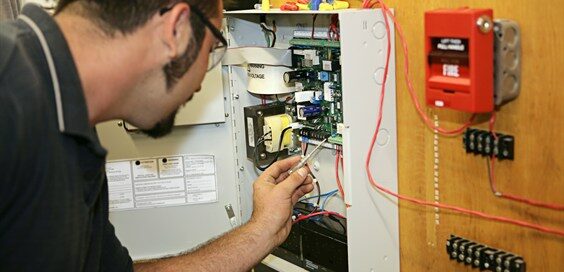
Choosing a technical career can be challenging when you're unsure which qualifications employers expect. Fire alarm technology offers opportunities to work with systems that protect buildings and the people inside them, but entering the field requires more than a general interest in electrical equipment. You need to understand the responsibilities involved and determine which credentials align with your career goals. Knowing what to consider before pursuing fire alarm certification can help you choose an educational path that prepares you for the work ahead.
Understand What Fire Alarm Technicians Actually Do
Fire alarm technicians work with equipment that detects potential emergencies and alerts building occupants. Depending on their roles, they may install systems or perform inspections to verify that existing equipment functions correctly. Some technicians specialize in maintenance, while others focus on testing and troubleshooting.
You'll need to understand the equipment you're working with rather than simply following installation instructions. For example, when an alarm system reports a fault, you must determine what caused the problem and identify the appropriate corrective action.
The work also requires careful documentation because building owners and other professionals rely on accurate service records. Understanding these responsibilities early can help you decide whether the career matches your interests.
Know the Difference Between Training and Certification
You might encounter educational programs that offer completion certificates alongside professional certifications that require formal examinations. Although both can support your development, they don't necessarily represent the same qualifications.
A training certificate generally confirms that you've completed a particular course. Professional certification usually requires you to demonstrate knowledge against established requirements, which may include experience or an examination.
You'll also need to distinguish certification from licensing. Some jurisdictions require technicians to hold specific licenses or work under licensed professionals, regardless of their educational credentials.
Build a Foundation in Electrical Systems
You don't need to master every technical concept immediately, but you'll benefit from understanding basic electrical principles. Fire alarm equipment relies on circuits that allow devices to communicate with control panels and report changes in operating conditions.
When you study electrical fundamentals, pay particular attention to voltage and current. You'll encounter these concepts when examining circuits and determining why equipment isn't operating as expected. You should also become comfortable reading wiring diagrams. Technicians use these documents to understand system connections and locate components without relying entirely on visual inspection.
If you're still in high school or college, relevant technical courses can help you develop this foundation. Students from other educational backgrounds can pursue introductory instruction before advancing to specialized subjects.
Understand the Importance of Fire Codes
Fire alarm technicians must work within established safety requirements rather than relying solely on personal judgment. Codes and standards influence system installation and inspection procedures, although the specific requirements depend on the jurisdiction and applicable code editions.
You'll encounter technical requirements that govern where equipment belongs and what technicians must verify during testing. Understanding these rules helps you recognize why a system needs specific components or procedures.
However, memorizing individual requirements won't prepare you for every situation. You'll also need to understand their purpose and recognize when a particular rule applies.
Develop Your Ability To Interpret Requirements
Practice finding relevant information in technical documents instead of trying to remember everything. This approach can help you handle unfamiliar situations while reducing the likelihood of overlooking important requirements.
As you gain experience, you'll become more comfortable connecting written standards to actual equipment and building conditions.
Choose Training That Supports Your Career Goals
Not every educational program covers the same material, so you'll want to examine the curriculum before enrolling. Some courses introduce fundamental concepts, while others concentrate on specific technical responsibilities.
For example, fire alarm technician training can support your understanding of the equipment and procedures associated with professional work. Consider whether the instruction addresses subjects relevant to your intended responsibilities and current experience.
When comparing educational options, ask yourself:
- Does the curriculum match the type of work I want to pursue?
- Will I need previous technical knowledge to understand the material?
- Does the course include practical exercises or primarily classroom instruction?
- Will completing the program satisfy any specific certification prerequisites?
You shouldn't assume that finishing a course automatically qualifies you for professional certification. Confirm the applicable requirements separately so you can plan your education accordingly.
Prepare for Practical Troubleshooting Challenges
You may understand an alarm system in a classroom but encounter unfamiliar problems when working with actual equipment. Troubleshooting requires you to investigate the source of a malfunction rather than immediately replacing a component.
For instance, a device might fail to communicate with its control panel because of a wiring issue. You'll need to examine the available information and follow appropriate diagnostic procedures to identify the cause.
Practical exercises can help you develop this reasoning. When you encounter a technical problem, concentrate on understanding why a particular solution works instead of memorizing the steps alone.
Remember that some activities require supervision or authorization. You shouldn't attempt work on operational life-safety systems without the appropriate qualifications and permission.
Consider the Experience You'll Need
Certification requirements vary, and certain credentials expect applicants to demonstrate relevant employment experience. That means your educational plans may need to account for time spent working under experienced professionals.
Entry-level positions can introduce you to everyday responsibilities while helping you develop practical knowledge. You might assist with inspections or support installation work within the limits of your qualifications. Pay attention to the experience requirements for credentials you're considering. Some certification programs distinguish between general industry employment and specific technical duties.
You should also maintain accurate records of your responsibilities and employment history. Documentation may become important when you apply for credentials that require proof of experience.
Take the Next Step Toward Your Career
Knowing what to consider before pursuing fire alarm certification can help you make informed decisions about your next steps based on your career goals and current qualifications. Look at entry-level job descriptions in your area and identify the qualifications employers consistently request.
Then compare those expectations with your current education and experience. You'll have a more practical basis for choosing your next course or career opportunity, whether you're entering the workforce for the first time or preparing for a professional change.
Image Credentials: Lisa F. Young, 3798319


 college budgeting worksheet

 If you want to contribute tutorials, news or other student-related tips or stuff:
 Share our student library with your facebook friends:
 Do you have any ideas or suggestions you would like to make?
 If you like what we do, please subscribe to our
 All content Copyright © 2012-13 SayStudent.com. Part of nBuy Education Network.