
How School Lighting Affects Student Focus and Comfort
Written by SayStudent-admin // 2026/05/11 // Student Living // Comments Off on How School Lighting Affects Student Focus and Comfort
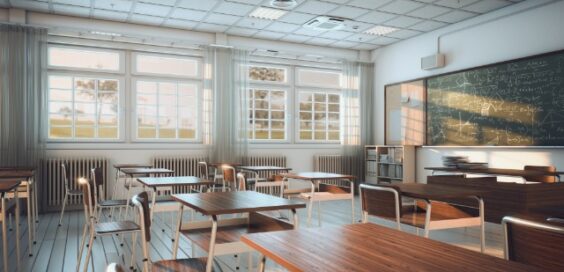
Lighting can shape how a classroom feels from the moment students walk in. Brightness and consistency affect how easily students study and stay alert during the school day.
School lighting can have a big affect on student and teacher comfort and focus during the day. Good classroom lighting should help students see clearly, reduce eye strain, and support a room that feels calm and ready for learning.
Why Lighting Matters for Focus
Students spend hours looking between books, screens, whiteboards, worksheets, and classroom displays during the school day. Poor lighting makes those small visual shifts harder, especially when a room has dim areas or strong reflections.
When lighting creates discomfort, students may feel distracted or tired sooner than expected. Better lighting helps students keep attention on the task instead of adjusting to the room.
Glare Can Interrupt Learning
Glare often causes the biggest lighting problems in classrooms. It can come from overhead fixtures, sunlight through windows, glossy desks, whiteboards, or computer screens.
A student who struggles to see the board or a screen may miss instructions or copy notes incorrectly, causing them to disengage from the lesson. Teachers can reduce glare by adjusting blinds and repositioning screens. Longer-term solutions include changing seating layouts and reporting fixtures that shine too directly into student work areas.
Brightness Needs Balance
More light does not always mean better learning conditions. Overly bright rooms can feel harsh, while dim rooms can make reading and writing more difficult.
Schools need balanced light across the classroom so students in every seat have a similar view of materials and displays. Facility teams should understand school lighting requirements to understand how brightness, glare control, and recommended light levels work together in educational spaces.
Color Temperature Affects Comfort
Color temperature describes whether light looks warm or cool. In classrooms, neutral to cooler white light often supports alertness during reading and instruction.
That does not mean every space needs the same color tone. A science lab, library, art room, and counseling space may need different lighting choices based on how students use each room.
Signs a Classroom Has Lighting Problems
Students and educators may notice lighting issues before anyone checks the fixtures. Small problems can build into daily distractions that affect comfort and attention.
Common signs include:
- Frequent squinting or eye rubbing
- Complaints about headaches after screen use
- Trouble seeing the board from certain seats
- Reflections on screens or glossy surfaces
- Uneven light, shadows, or dark corners
Screens Add Another Challenge
Many classrooms now rely on laptops, tablets, projectors, and interactive displays. Lighting that worked well for paper-based lessons may create reflections or contrast problems during digital work.
Teachers can help by checking screen visibility from different seats and avoiding layouts that place screens directly opposite bright windows. These small changes can make digital learning more comfortable.
A Better Environment for Everyone
Strong classroom lighting supports both students and educators. Teachers need clear visibility for demonstrations and to keep attention during lessons.
Students benefit when the room supports focus without adding visual stress. A comfortable lighting setup helps make the classroom feel easier to use throughout the day.
Image Credentials: By tiero, 398291575


 college budgeting worksheet
 If you want to contribute tutorials, news or other student-related tips or stuff:
  Share our student library with your facebook friends:
  Do you have any ideas or suggestions you would like to make?
  If you like what we do, please subscribe to our
  All content Copyright © 2012-13 SayStudent.com. Part of nBuy Education Network.