
8 Options for Getting Around a Large Campus
Written by publishingreporting@logicalposition.com // 2026/08/07 // Student Living // Comments Off on 8 Options for Getting Around a Large Campus
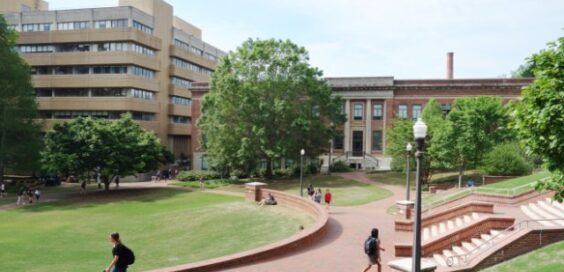
A large college campus can feel like a small city during your first week. One class may sit beside your residence hall, while the next may require a trip across several blocks, hills, or busy intersections. The right transportation choice can save time, reduce stress, and help you arrive ready to focus. Before move-in day, compare these options with your schedule, budget, comfort, and campus rules in mind. Check out options for getting around a large campus efficiently.
1. Walking
Walking costs nothing and helps you learn campus landmarks quickly. Use a campus map before classes begin, then test each route at the same time of day as your schedule. Don’t forget to add time for crowded paths, elevators, and bad weather. Comfortable shoes will help during back-to-back classes. Keep a compact umbrella in your bag, and choose well-lit routes after dark.
2. Use Campus Shuttles
Many colleges run shuttle loops between residence halls, academic buildings, parking lots, and athletic areas. Download the official transit app or bookmark the live tracker before orientation. Check operating hours because evening, weekend, and holiday schedules often change. Shuttles work especially well during rain, snow, or extreme heat, but full buses can slow your trip between popular class periods.
3. Ride a Bicycle
A standard bicycle gives you speed without fuel costs or charging needs. Look for bike lanes, covered racks, repair stations, and registration requirements. Buy a strong U-lock and secure the frame and one wheel. Don’t lock only the front wheel. A helmet, front light, and rear light will make daily rides safer and easier in changing conditions.
4. Consider an E-Bike
An e-bike can handle hills and long distances with less effort, which helps when you carry a laptop, books, or lab gear. Compare battery range, bike weight, storage options, and campus speed limits. Charge the battery with the manufacturer’s equipment, and never block a hallway or exit. Because lithium-ion fires are on the rise, learn your college’s charging and storage rules before bringing an e-bike to campus.
5. Try an E-Scooter
E-scooters suit short trips and tight schedules, especially when bike parking sits far from your destination. Choose a model with reliable brakes, visible lights, and enough range for a full day. Slow down near pedestrians, dismount in crowded zones, and avoid headphones while riding. Check whether your college limits scooters inside buildings, on sidewalks, or in residence halls.
6. Take Public Transit
City buses and trains can connect campus with grocery stores, internships, airports, and entertainment districts. Many colleges include transit access in student fees or offer discounted passes. Learn the nearest stops and save a backup route in case delays disrupt your plan. Public transit can also spare you the cost of parking, fuel, insurance, and routine car maintenance.
7. Carpool or Use Rideshare
A carpool can help with grocery runs, off-campus jobs, and late-night travel. Coordinate with roommates or classmates, agree on pickup times, and share fuel or parking costs fairly. Rideshare apps offer flexibility, but frequent trips can strain a student budget. Confirm the driver, license plate, and destination before entering a vehicle, and share your trip details with someone you trust.
8. Ask About Accessibility Services
If walking, cycling, or standing for long periods creates barriers, contact the campus accessibility office before the semester starts. Ask about door-to-door shuttles, mobility carts, paratransit, and temporary support after an injury. Early planning can reduce last-minute problems and help you understand reservation windows, pickup locations, and eligibility steps.
Build a Flexible Plan
You’ll probably combine several options when you need to get around your college campus. You might walk on mild days, take a shuttle during storms, and use a bike or scooter for distant classes. Test your routes before the first week, leave room for delays, and follow campus safety rules. When you choose transportation that fits your schedule and budget, a large campus starts to feel smaller, simpler, and much easier to navigate.
Image Credentials: zimmytws, # 284364895


 college budgeting worksheet
 If you want to contribute tutorials, news or other student-related tips or stuff:
  Share our student library with your facebook friends:
  Do you have any ideas or suggestions you would like to make?
  If you like what we do, please subscribe to our
  All content Copyright © 2012-13 SayStudent.com. Part of nBuy Education Network.