
What Does It Take to Become a K9 Handler?
Written by publishingreporting@logicalposition.com // 2026/09/21 // Career Planning // Comments Off on What Does It Take to Become a K9 Handler?
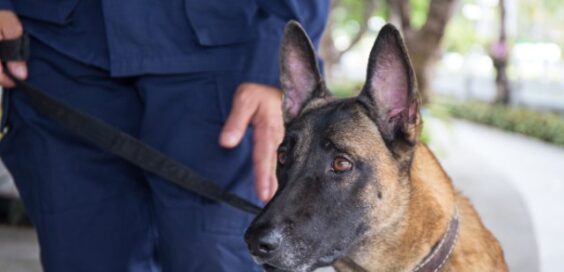
Thinking about becoming a K9 handler? This is a fantastic career path for animal lovers who also want to work in law enforcement. But it takes much more than enjoying time around dogs. K9 handlers need police experience, specialized training, and the ability to work closely with the same dog day after day. Here’s what the job requires before you join a K9 unit.
A Law Enforcement or Military Background
Most K9 handler positions aren’t entry-level. In law enforcement, you’re typically required to complete a police academy and work as a patrol officer for at least one to three years before you’re eligible to apply for a K9 unit. Military handlers go through a separate pipeline, usually entering as Military Working Dog handlers through specific occupational specialty codes.
Prior service comes first because the handler role adds a second layer of responsibility on top of an already demanding job. You’ve got to know your base role well before you take on a working dog.
Physical Fitness Above the Minimum Standard
Patrol officers already have fitness requirements, but K9 handlers operate at a higher physical demand. You’re running alongside a working dog, conducting searches through rough terrain, and responding to high-intensity situations where your dog’s instincts and your body both need to be ready at the same time.
If your current fitness level barely clears the department standard, that’s something to address before you apply. K9 units aren’t looking for candidates who just meet the baseline. They want people well above it.
A Formal Application and Selection Process
You don’t just request a K9 partner. Most departments and branches run a competitive selection process that includes a written application, supervisor recommendations, an interview with the K9 unit, and sometimes a practical evaluation where candidates interact with working dogs under observation.
Some agencies also run a compatibility test between the handler candidate and several dogs to see which pairing produces the best response. Not every candidate who applies gets selected, and not every selected candidate gets a dog on the first try.
Completion of a Certified K9 Handler Course
Once selected, you’ll go through a formal training program. In law enforcement, it’s typically a state-certified K9 handler course that runs anywhere from eight to sixteen weeks, depending on the dog’s specialty. Courses cover obedience work, tracking, evidence detection, suspect apprehension, and handler safety.
The course is where you and your assigned dog build the communication patterns that make the partnership functional in the field. Nobody arrives already knowing how to work a dog at this level.
Dog Training Knowledge and Continued Practice
As a K9 handler, you’ll be in charge of training your dog throughout your entire working relationship, not just during the initial course. Take the time to familiarize yourself with obedience training best practices so you can give your dog the reinforcement and structure they need to stay sharp on the job.
Training doesn’t stop after certification. Most agencies require a set number of weekly training hours to maintain the dog’s skill level and the handler’s proficiency. If those hours slip, so does performance.
Understanding of Dog Behavior and Body Language
A handler who can’t read their dog misses critical cues. Working dogs communicate through body posture, ear position, tail behavior, and changes in breathing or focus. When your dog alerts, you need to know whether that’s a solid indication or a distraction response.
This knowledge builds over time, but handlers who actively study canine behavior develop faster. The leash connects two working partners, and one of them’s communicating constantly through movement, posture, and instinct.
Comfort With High-Pressure Decision Making
K9 teams get called into situations that are already escalated. That includes active suspects, building searches, crowd control, and disaster scenes. Your dog’s trained to handle that environment, but the handler’s responsible for deciding when to deploy, when to hold, and when to call the dog off.
That judgment doesn’t come from training alone. It comes from field experience, and hesitation in the wrong moment can compromise the dog’s safety or the operation entirely.
Strong Record-Keeping and Documentation Habits
Every deployment, training session, and alert gets documented. Handlers maintain detailed logs of their dog’s performance, medical history, and any use-of-force incidents involving the dog. In court cases where a K9 was involved in an apprehension or evidence find, that documentation becomes part of the legal record.
Incomplete or inconsistent records create problems that follow you. Sloppy training logs or deployment notes that don’t hold up to scrutiny can affect case outcomes and your department’s liability exposure.
Veterinary Awareness and Basic Animal Care Knowledge
Your dog’s your partner and your department’s equipment. Handlers are responsible for the dog’s daily care, which includes feeding schedules, coat and paw maintenance, monitoring for injury, and recognizing when something’s medically off.
A vet handles the clinical work, but the handler’s the first one to notice when the dog’s moving differently, eating less, or showing signs of stress or illness. Early detection keeps the dog in service longer and prevents small issues from becoming serious ones.
Emotional Resilience for the Long Haul
Working dogs have shorter careers than their handlers. Most retire between seven and ten years old, and handlers often go on to work with a second or third dog over the course of a career. That transition’s harder than most people expect.
The working bond between a handler and their dog isn’t like any other professional relationship. When that dog retires or dies, it hits differently than losing a piece of equipment. Handlers who do this work for years learn to carry that weight and keep going, but it’s worth knowing that part of the job exists before you commit to it.
Patience With a Process That Takes Time
There’s no shortcut into a K9 unit. Between building your patrol record, waiting for a position to open, going through selection, completing the handler course, and spending months developing field chemistry with your dog, you’re looking at years, not months.
The officers who become good K9 handlers use every stage of that timeline to prepare. The waiting period’s when you get your fitness up, deepen your knowledge of canine behavior, and become the kind of officer a K9 unit actually wants.
The Path Is Demanding, and That’s the Point
Becoming a K9 handler isn’t a casual career upgrade. It’s a specialty that asks more of you physically, mentally, and emotionally than most roles in law enforcement or the military. The reward is a working partnership that’s difficult to describe if you’ve never been in it.
If this is the direction you want to go, start where you are. Build the record, put in the work, and treat the K9 handler path as exactly what it is: something you earn over time.
Image Credentials: Prathaan, 123519098


 college budgeting worksheet
 If you want to contribute tutorials, news or other student-related tips or stuff:
  Share our student library with your facebook friends:
  Do you have any ideas or suggestions you would like to make?
  If you like what we do, please subscribe to our
  All content Copyright © 2012-13 SayStudent.com. Part of nBuy Education Network.