
Skills to Know if You Want to Work in Construction
Written by publishingreporting@logicalposition.com // 2026/09/23 // Career Planning // Comments Off on Skills to Know if You Want to Work in Construction
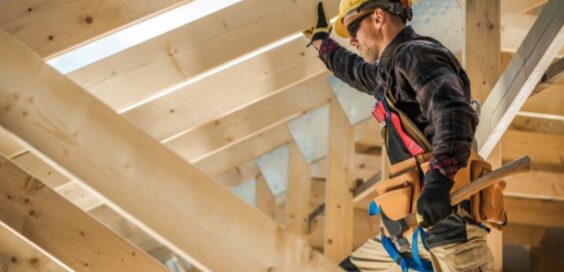
Want to work in the construction industry? Whether you have aspirations of becoming a carpenter or a site supervisor, here are skills to know if you want to work in construction that can help your resume stand out when you apply for jobs. You don’t need years of trade experience before you apply for an entry-level role. Employers also look for basic abilities that show you’re prepared to learn the work and contribute on a job site.
Basic Math Skills
Yes, it seems simple, but basic math goes a long way on a construction site. Measurement is one place where you’ll use it throughout the day. Fractions come up when a cut lands between whole-inch marks. You need to read measurements such as 1/4, 1/2, or 3/4 inch correctly before you cut.
Certain tools also come in sizes meant for different tasks. For example, drywall tape knives come in different widths. You need enough math knowledge to understand those dimensions and select the size your task calls for.
Blueprint Literacy
Blueprints show you what the finished project should contain before each part reaches the site. If you understand basic plans, you’ll have an easier time identifying where your own work belongs within the project.
Scale is a major part of that skill. A short line on a plan may stand for several feet in the actual structure, so you need to translate the drawing into full-size measurements. Blueprint symbols also tell you what belongs in a location without long written notes beside every feature.
Tool Knowledge
You don’t need to know every tool before your first construction job. You should, however, understand common equipment and the purpose behind it. That knowledge keeps you from grabbing whatever happens to sit closest to you.
Take drills and impact drivers. They may look similar when you’re new to the trade, but each handles different types of work. Knowing which tool belongs with a task protects the material and lets you complete the job with fewer corrections afterward.
Material Knowledge
Construction materials have different properties, so the same technique won’t work for everything you handle. You need to know what a material is designed to do before you cut it or attach it.
With wood, board dimensions affect where each piece belongs and how it gets used within the structure. If you understand what you’re working with, you’re less apt to cut the wrong piece or use material in the wrong place. The same skill applies when your trade requires you to work with materials beyond wood.
Physical Coordination
Construction requires control over your body while you use tools or move material. Strength has value, but force alone won’t give you an accurate cut or keep a tool where you want it.
A circular saw requires control from the moment the blade meets the material. Your hands guide the tool along the marked line while your body supports a safe position behind it. You’ll develop more control with practice, and that precision becomes valuable when a task leaves little room for an error.
Spatial Awareness
A job site rarely looks the same from one hour to the next. Materials move between areas, equipment passes through active zones, and other workers may enter the space around you.
Spatial awareness keeps you conscious of those changes while you focus on your own task. Before you step backward or carry a long piece through the site, you need to know what occupies the space around you. That awareness protects you from collisions and keeps you out of another crew member’s work area.
Safety Knowledge
Safety knowledge goes beyond putting on protective equipment before work starts. You need to understand why a rule exists and what can happen when someone ignores it.
Take ladder placement. A ladder set on unstable ground creates a hazard before anyone climbs it. If you know what to check first, you can correct the setup before the work begins. Employers want workers who take site rules seriously because one unsafe choice may stop work for the crew and put another person at risk.
Communication Skills
Construction crews rely on accurate information. If a measurement doesn’t match the plan or a material arrives in the wrong size, you need to explain the problem to the right person before work continues.
Good communication also requires you to listen closely. A foreman may explain how a task needs to be completed before you move to another section of the site. If you miss an instruction, you may complete the wrong work and force the crew to correct it later. Listening saves everyone from that extra work.
Problem-Solving Skills
Plans don’t account for every condition a crew may find on site. An existing wall may sit farther out than expected, or a part may not match the dimensions listed for the project. You need to identify what’s wrong before you react.
Good problem-solving starts with the actual cause of the issue. Instead of forcing material into place, stop and identify what prevents the planned work from moving forward. Then bring that information to the person who has authority to approve a change.
Time Management
Construction projects follow schedules, and one crew’s delay may affect the trade that needs the same area next. Time management lets you complete your assigned work within the period the project allows.
That doesn’t mean you should rush through a task. You need to judge how long the work requires and prepare before you begin. As you gain experience, you’ll become more accurate when you estimate how much you can finish during a workday without sacrificing the quality of the job.
Precision
Construction work leaves little room for careless measurements. If you cut a board too short or place hardware in the wrong location, the error may affect the work that follows.
Precision starts before you make a permanent change to the material. Check the measurement against the plan and confirm that you have the correct piece in front of you. A few extra seconds before a cut can save far more time than removing material that no longer matches the job.
Trade Vocabulary
Every trade has terms that workers use to describe tools or parts of a structure. If you understand common construction vocabulary, you’ll follow instructions with less confusion during your first days on site.
You don’t have to memorize an entire trade dictionary before you apply. Start with the language tied to the type of work you want to pursue. When a supervisor names a tool or refers to a part of the structure, you should know enough to understand what the conversation concerns.
Start With Skills You Can Build
You don’t need to know everything before your first construction job. Build the skills to know if you want to work in construction before you apply, then keep adding trade knowledge as you gain experience. A good foundation gives you more to bring to your first crew and prepares you for the work ahead.
Image Credentials: Tomasz Zajda, 296386410


 college budgeting worksheet
 If you want to contribute tutorials, news or other student-related tips or stuff:
  Share our student library with your facebook friends:
  Do you have any ideas or suggestions you would like to make?
  If you like what we do, please subscribe to our
  All content Copyright © 2012-13 SayStudent.com. Part of nBuy Education Network.