
Car Repairs You Shouldn’t Attempt on Your Own
Written by publishingreporting@logicalposition.com // 2026/08/18 // Auto for Students // Comments Off on Car Repairs You Shouldn’t Attempt on Your Own
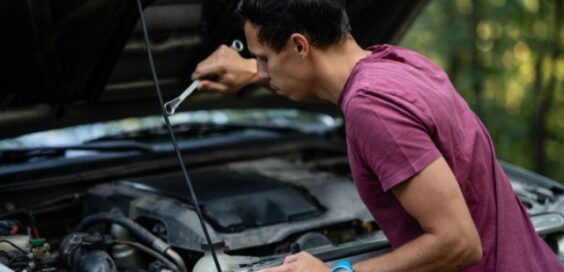
As a student, your car means a lot to you. It’s how you get to class and make it to work without rearranging your entire day around someone else’s schedule. If something in your car starts acting strange, it can throw your whole week off course. But the thing is, professional repair isn’t cheap, and as a student, you may not have a lot of room in your budget.
That can make DIY repair very tempting. While there are plenty of maintenance jobs you can do yourself, some repairs carry far more risk. Here are several car repairs you shouldn’t attempt on your own.
Brake System Repairs
Your brakes are the one system in your car where a mistake has immediate, dangerous consequences. Replacing brake pads sounds straightforward, but the caliper, rotor, and brake line all have to work together in a specific way.
If you compress the caliper incorrectly, you can damage the ABS sensor. If the rotor isn’t seated properly, you’ll feel it every time you slow down. Bleed the line wrong, and you introduce air into the system, which reduces stopping power. None of those outcomes are worth the money you’d save skipping a shop visit.
Transmission Work
DIYing transmission work can leave you with a repair bill that dwarfs what a mechanic would have charged. The transmission shifts power from the engine to the wheels, so if a component is installed out of sequence, you could be looking at a complete rebuild or replacement.
The transmission cooler is one common component that people try to handle themselves. There are several mistakes that can happen when installing one, from improper fitting to line connection errors. You’re better off having touchy components like these done by a certified mechanic.
Airbag Replacement
Airbags are connected to the car’s supplemental restraint system, which is wired directly into the vehicle’s electrical network. If you disconnect the wrong sensor or fail to disable the system before working near it, the airbag can deploy unexpectedly, and that can cause serious injury.
Replacement also requires calibrating the sensor module so the system knows the new bag is installed correctly. Without proper diagnostic tools, there’s no way to confirm the system is actually ready to protect you in a collision.
Fuel System Repairs
The fuel system runs under pressure, and gasoline is flammable. Replacing a fuel pump, fixing a fuel injector, or repairing a fuel line means working with both of those realities at the same time.
If a line isn’t resealed completely, you get a fuel leak, which is a fire hazard every time the engine runs. The fuel pump also has to be matched to your car’s specific fuel delivery requirements. An incompatible pump affects engine performance and, over time, can damage injectors. This one belongs in a shop with a lift and the right equipment.
Timing Belt or Timing Chain Replacement
The timing belt or chain keeps your engine’s camshaft and crankshaft synchronized. If that timing is off by even a few degrees, the valves and pistons can collide inside the engine block. In an interference engine, that kind of mistake destroys the engine entirely.
Replacing a timing belt also requires removing several other components to access it, and every one of those has to go back in the right place. Mechanics use specific torque specs and timing marks for this job.
Suspension and Steering Component Repairs
The suspension system controls how your tires contact the road, and the steering system controls where the car goes. Both require precise alignment after any repair.
If you replace a control arm or tie rod and skip the alignment step, your tires wear unevenly and your steering pulls to one side. Beyond the wear, misaligned steering makes the car harder to control at highway speeds. Suspension work also involves compressed springs in some cases, and a spring under pressure that releases unexpectedly causes serious injury.
Electrical System Repairs
Modern cars don’t have simple electrical systems. Modules, sensors, and control units communicate with each other constantly, and touching the wrong wire can affect systems you weren’t even working on.
Airbags, anti-lock brakes, and the engine control unit are all part of the same network. A short circuit in the wrong place can fry an expensive module or disable a safety system without triggering a warning light. If you’re not working with a wiring diagram specific to your vehicle, you’re guessing at a system that punishes guessing.
Radiator and Cooling System Repairs
The cooling system keeps your engine from overheating, and it runs under pressure when the engine is warm. Opening a pressurized coolant system without letting it cool down first can send hot coolant spraying out of the reservoir.
Beyond the safety issue, a cooling system repair that isn’t sealed properly leads to slow leaks that are hard to detect until the engine overheats. A warped cylinder head from overheating is an expensive repair, much more so than the cooling fix you skipped the shop to avoid.
Catalytic Converter Replacement
The catalytic converter handles your car’s emissions and runs at extremely high temperatures during normal operation. Replacing one requires cutting and welding exhaust pipes in most vehicles, and the new converter has to be compatible with your engine’s specific exhaust output.
A converter that isn’t matched correctly throws error codes and reduces engine performance. If the welds aren’t solid, exhaust leaks into the cabin, which is a carbon monoxide risk. This isn’t a bolt-on swap for most cars, no matter what a parts listing makes it look like.
Clutch Replacement
A clutch replacement means pulling the transmission away from the engine to access the clutch disc, pressure plate, and flywheel underneath. That requires a transmission jack and the ability to manage a component that can weigh several hundred pounds.
If the flywheel isn’t resurfaced or replaced when the clutch is worn, the new clutch wears out faster. The transmission also has to be realigned precisely when it goes back on. One misaligned bolt can damage the input shaft, and that turns one repair into two.
Know When to Step Back
Which car repairs should you not attempt on your own? There’s nothing wrong with handling your own oil changes or replacing a busted taillight. But when a repair involves safety systems, pressurized components, or anything that requires specialty tools and calibration, skipping the shop means betting that nothing goes wrong—and with the repairs on this list, something usually does.
Image Credentials: Zoran Jesic, 1622223944


 college budgeting worksheet
 If you want to contribute tutorials, news or other student-related tips or stuff:
  Share our student library with your facebook friends:
  Do you have any ideas or suggestions you would like to make?
  If you like what we do, please subscribe to our
  All content Copyright © 2012-13 SayStudent.com. Part of nBuy Education Network.