
Bat-Buying Mistakes New Softball Players Make
Written by publishingreporting@logicalposition.com // 2026/10/21 // Student Living // Comments Off on Bat-Buying Mistakes New Softball Players Make
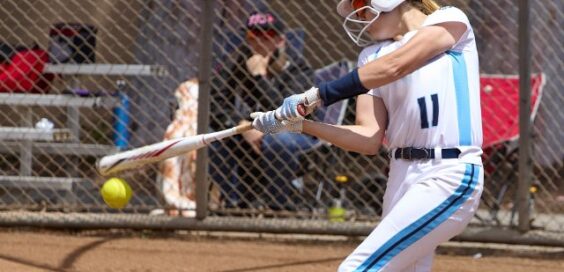
Starting softball brings exciting challenges, from developing a consistent swing to understanding equipment. For high school students joining their first team, college students exploring recreational leagues, or adults returning to the sport, choosing a bat can feel complex.
However, understanding the most common bat-buying mistakes new softball players make can help you choose the ideal bat for you.
Choosing a Bat Based on Appearance
Bright colors and recognizable brands can make softball bats stand out. However, an attractive design says little about whether a bat suits a particular player.
Beginners sometimes choose equipment that resembles what older teammates use. This approach overlooks differences in physical strength and swing mechanics.
Focus on Function Before Style
Players should prioritize comfort and control when comparing bats. Consider how naturally the bat moves through the swing and whether its handle provides a secure grip.
Appearance can influence the final decision, but practical considerations should come first.
Assuming Heavier Bats Always Produce Better Hits
Some beginners believe a heavier bat automatically produces more powerful hits because it carries additional mass.
Although mass contributes to hitting power, a heavier bat can reduce swing speed. Players who struggle to move the bat efficiently may have difficulty making consistent contact.
Weight distribution also matters. Two bats with identical weights can feel different if one carries more mass toward the barrel.
Understand How Bat Weight Works
Another bat myth we can debunk is that heavier bats are thicker than lighter ones. On the contrary, manufacturers can adjust weight through components and balance without simply increasing barrel thickness.
Handle weighting and end-cap construction can affect the final weight of certain bat models. Players shouldn’t assume weight alone reveals a bat’s durability or construction. Instead, they should test different weights and find one that supports a comfortable swing.
Buying the Wrong Bat Length
A bat that’s too long can make it difficult to control the barrel. Conversely, a bat that’s too short may limit comfortable plate coverage.
New players sometimes select bat length based entirely on height. While height provides a starting point, it doesn’t account for individual strength or batting technique.
Test the Bat Before Purchasing
Players should hold several bats and practice controlled swings in a safe area.
A suitable bat should allow comfortable movement without disrupting balance. Coaches can also evaluate whether a particular length complements a beginner’s technique.
For students purchasing equipment before the season, attending a team practice or fitting session may prevent an expensive mistake.
Ignoring League Bat Regulations
Not every softball bat qualifies for every competition.
Organizations such as USA Softball and USSSA maintain equipment certification requirements. School competitions and community leagues may impose additional restrictions.
Purchasing a bat without checking these requirements creates an avoidable financial risk.
Verify Certification Requirements
Players should contact their coach or league organizer before purchasing. Look for the appropriate certification marking and confirm that the specific model satisfies current competition rules.
This becomes particularly important when buying secondhand equipment, since older bats may no longer qualify.
Players participating in multiple leagues should check whether their chosen bat meets each organization’s requirements.
Confusing Fastpitch and Slowpitch Bats
Another bat-buying mistake that many new softball players make is mistaking fastpitch bats for slowpitch ones.
Fastpitch bats generally reflect the quicker pitching speeds and swing demands of the sport. Slowpitch bats accommodate different timing and hitting conditions.
Purchasing the wrong type can create performance challenges or equipment eligibility issues.
Identify Your Playing Format
Before shopping, determine whether the team plays fastpitch or slowpitch softball.
High school and college programs typically use fastpitch rules, while many adult recreational leagues feature slowpitch competition.
Overlooking Bat Drop Weight
Bat drop describes the numerical difference between the length of the bat (in inches) and its weight (in ounces). length in inches and its weight in ounces. A 31-inch bat weighing 22 ounces would have a drop weight of -9.
Beginners sometimes focus exclusively on length, overlooking how this measurement affects swing comfort.
Consider Strength and Swing Control
A bat with a larger negative drop number generally weighs less than another bat of equal length with a lower drop number.
Lighter options may help beginners maintain control, while stronger players may prefer additional mass.
Neither choice guarantees better performance. Players should select a combination that supports their technique and meets league requirements.
Paying More for Features They Don’t Need
Premium softball bats can carry substantial price tags, especially when they incorporate advanced materials.
These features may benefit experienced players, but beginners don’t necessarily need expensive equipment.
Students balancing academic expenses and extracurricular activities should consider whether a costly bat provides meaningful value.
Compare Bat Materials
Aluminum alloy bats can provide an accessible starting point. Many models offer durability and require relatively little maintenance.
Composite bats layer materials to achieve different performance characteristics. Some models require a manufacturer-recommended break-in process.
Neither material automatically suits every player.
Beginners should compare options within their budget and consider how frequently they’ll use the equipment.
Forgetting About Grip and Comfort
New players sometimes evaluate a bat’s barrel while overlooking its handle. However, grip comfort influences how confidently someone swings.
An uncomfortable handle may interfere with hand positioning, while worn grip tape can reduce control.
Evaluate the Handle
Players should check whether they can grip the bat naturally without excessive tension.
They should also consider how the handle feels with batting gloves, particularly if they plan to use them during games. Testing different handle designs can help beginners identify a comfortable option.
Purchasing Used Bats Without Inspecting Them
Secondhand equipment can help students reduce expenses. However, an inexpensive used bat isn’t necessarily a worthwhile purchase.
Cracks, dents, loose components, and other damage can affect safety and performance. Some bats may also have unauthorized modifications that make them unsuitable for sanctioned competition.
Check the Bat’s Condition
Before purchasing, examine the barrel, handle, end cap, and grip for visible damage. Ask the seller about previous use and any repairs or alterations.
Players should avoid equipment with questionable structural integrity or unclear certification status.
Buying Without Testing Different Options
Online reviews provide useful information, but they can’t fully explain how a bat will feel during play.
Players have different swing patterns and comfort preferences. A highly rated bat may feel awkward to one person while working well for another.
Get Feedback Before Committing
Sporting goods retailers and teammates may provide opportunities to compare models. When possible, players can try demonstration bats during practice sessions.
Notice whether the bat feels balanced and allows comfortable movement.
Making a More Confident Bat Purchase
Choosing a softball bat becomes easier when players understand what affects their performance. Rather than relying on appearance, price, or assumptions about weight, beginners should consider how equipment complements their abilities.
Avoiding common mistakes also helps students and families manage sports expenses.
A sensible purchase starts with confirming league regulations and identifying the correct playing format. Players can then compare approved options that suit their budget and feel comfortable during practice.
For new softball players, the best equipment isn’t necessarily the newest or most expensive option. It’s a legal, comfortable, well-maintained bat that supports confident practice and improvement.
Image Credentials: by Bird Visual, #808112314


 college budgeting worksheet

 If you want to contribute tutorials, news or other student-related tips or stuff:
 Share our student library with your facebook friends:
 Do you have any ideas or suggestions you would like to make?
 If you like what we do, please subscribe to our
 All content Copyright © 2012-13 SayStudent.com. Part of nBuy Education Network.