
Different Types of Vehicle Mechanics and What They Do
Written by publishingreporting@logicalposition.com // 2026/10/23 // Career Planning // Comments Off on Different Types of Vehicle Mechanics and What They Do
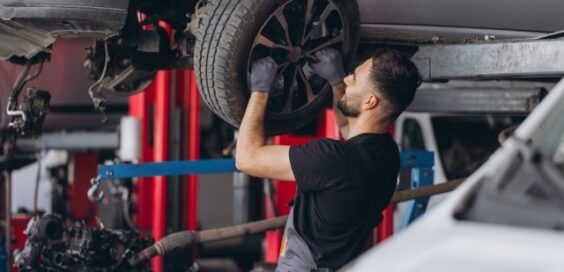
Interested in becoming a mechanic? Then you should know there are more career paths out there than working at your neighborhood auto shop! Learning about the different types of vehicle mechanics gives you a better idea of where your interests fit within the automotive industry.
Some technicians spend their days tracking down electrical faults, while others focus on the mechanical systems that keep vehicles moving. Knowing what each specialty involves helps you narrow down the kind of training and work you’d enjoy most.
General Automotive Mechanics
General automotive mechanics handle the maintenance and repairs that passenger vehicles need throughout their lives. They’re the technicians you visit when your car starts making an unfamiliar noise or reaches its next service interval. Their work begins with identifying the problem, which requires understanding how several vehicle systems interact.
For example, a vibration during acceleration doesn’t automatically point to one faulty part. A general mechanic investigates the symptoms before recommending repairs. Because they encounter a broad range of vehicle problems, this role offers a useful introduction to automotive repair work.
Engine Mechanics
Engine mechanics specialize in the components responsible for producing power inside a vehicle’s engine. They investigate problems such as excessive oil consumption and poor compression, then determine which internal components need repair. Their work requires an understanding of how moving engine parts operate under heat and pressure.
When an engine loses compression, for instance, a technician may perform tests to identify whether worn piston rings are responsible. Some repairs involve dismantling large portions of the engine to reach damaged components. This specialty appeals to people who enjoy detailed mechanical work and understanding exactly how engines operate.
Transmission Mechanics
Transmission mechanics focus on the systems that transfer engine power to the wheels. When a vehicle hesitates between gears or slips during acceleration, these technicians diagnose the cause. They work with automatic transmissions as well as manual gearboxes, although each requires its own technical knowledge.
An automatic transmission may develop shifting problems because of internal hydraulic pressure issues. A specialist uses diagnostic information and testing procedures to locate the fault before deciding whether a repair or rebuild is necessary. Since transmissions contain many closely fitted components, technicians need patience and precision during disassembly and reassembly.
Brake Mechanics
Brake mechanics concentrate on the systems responsible for slowing and stopping vehicles. Their job extends beyond replacing worn brake pads. They inspect the condition of braking components and investigate issues that affect how a vehicle responds when the driver presses the pedal.
For example, a brake pedal that gradually sinks toward the floor may indicate a hydraulic problem. The technician checks the system to find the cause before performing the necessary repair. Because braking performance directly affects road safety, this specialty demands careful inspections and testing after the work is complete.
Tire Mechanics
Tire mechanics work with the components that connect vehicles to the road. They install new tires, repair eligible punctures, and balance wheel assemblies to prevent vibration while driving. They also examine wear patterns that reveal problems affecting tire performance.
If a tire wears heavily along one edge, the technician may recommend an alignment inspection instead of simply replacing it. Understanding tire construction is another part of the job, since some types of damage make a tire unsafe to repair. This role involves physical work and frequent use of specialized tire-changing equipment.
Automotive Electrical Mechanics
Automotive electrical mechanics diagnose faults in a vehicle’s wiring and electronic systems. Modern vehicles rely on interconnected control modules, so identifying an electrical problem requires more than checking whether the battery has power. These technicians interpret wiring diagrams and use testing equipment to trace faulty circuits.
For instance, a window that stops operating may have a damaged switch, but it could also have a broken wire inside the door. An electrical specialist tests the circuit to determine where power stops reaching the component. The job suits people who enjoy troubleshooting problems that aren’t immediately visible.
Diesel Mechanics
Diesel mechanics specialize in engines that operate using diesel fuel. You’ll find them working on vehicles built for demanding service, including commercial trucks. These engines use different fuel-delivery and ignition principles than gasoline engines, so technicians need specialized training to diagnose problems accurately.
A diesel mechanic may investigate a loss of engine power by testing fuel-system pressure. They also work with emissions-control equipment that keeps modern diesel engines within regulatory requirements. Because diesel engines frequently operate under heavy loads, maintaining their performance requires knowledge of the conditions they’re designed to handle.
Fleet Mechanics
Fleet mechanics maintain vehicles belonging to businesses that operate their own transportation equipment. Their responsibilities range from scheduled inspections to repairs, including tasks like lubricating fifth wheels for long-haul operation.
Unlike mechanics who see a changing stream of customer vehicles, fleet technicians become closely acquainted with the same equipment over time. That allows them to track recurring problems and anticipate maintenance needs based on operating schedules. Their work keeps company vehicles ready for service and limits interruptions caused by preventable breakdowns.
Collision Repair Mechanics
Collision repair mechanics restore vehicles damaged in accidents. Their specialty centers on repairing the vehicle’s body and structural components instead of diagnosing routine engine trouble. They assess the extent of the damage and determine which parts require replacement or repair.
For example, a collision that bends a structural section may require measurements against manufacturer specifications before any straightening work begins. Technicians use specialized equipment to restore the damaged area within approved repair procedures. The job requires an eye for accurate measurements because a vehicle’s appearance alone doesn’t establish whether its structure has been repaired correctly.
Hybrid and Electric Vehicle Mechanics
Hybrid and electric vehicle mechanics service vehicles that use high-voltage propulsion systems. Although these vehicles still have conventional mechanical components, their powertrains introduce electrical equipment that requires specialized safety training. Technicians must follow isolation procedures before working near high-voltage components.
When an electric vehicle develops a charging problem, a specialist examines diagnostic data to determine which part of the charging system needs further testing. Battery management and thermal-control systems add another layer of technical knowledge. This specialty continues to evolve as manufacturers introduce new vehicle designs and service procedures.
Finding Your Place in Vehicle Repair
The different types of vehicle mechanics offer careers built around different technical interests. If you enjoy investigating electronic faults, electrical repair may appeal to you. If you prefer hands-on work with major mechanical assemblies, an engine specialty may be a better fit.
Before choosing a training program, look into the daily responsibilities of the jobs that interest you. Speaking with working technicians or visiting a repair shop gives you a more accurate picture of what the work involves. That firsthand perspective can guide your next move toward a career you’ll enjoy building.
Image Credentials: anatoliycherkas, 2059724360


 college budgeting worksheet

 If you want to contribute tutorials, news or other student-related tips or stuff:
 Share our student library with your facebook friends:
 Do you have any ideas or suggestions you would like to make?
 If you like what we do, please subscribe to our
 All content Copyright © 2012-13 SayStudent.com. Part of nBuy Education Network.